








Downturned vs flat climbing shoes: how to choose bouldering shoes for your wall
By Mira Voigt, head route setter ·
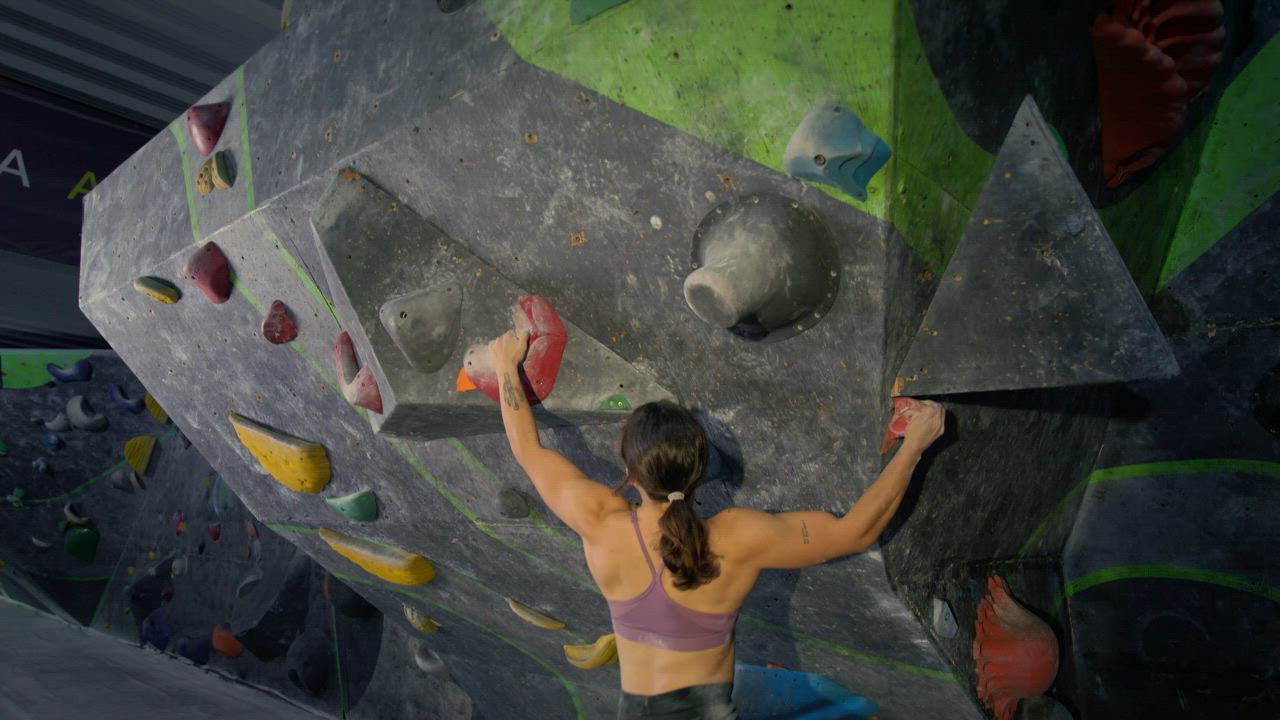
Every week someone walks into the shop, points at the most aggressive shoe on the wall and asks for it in their street size. We usually talk them out of both. The right bouldering shoe depends far more on the angle you climb than on the grade you want to climb.
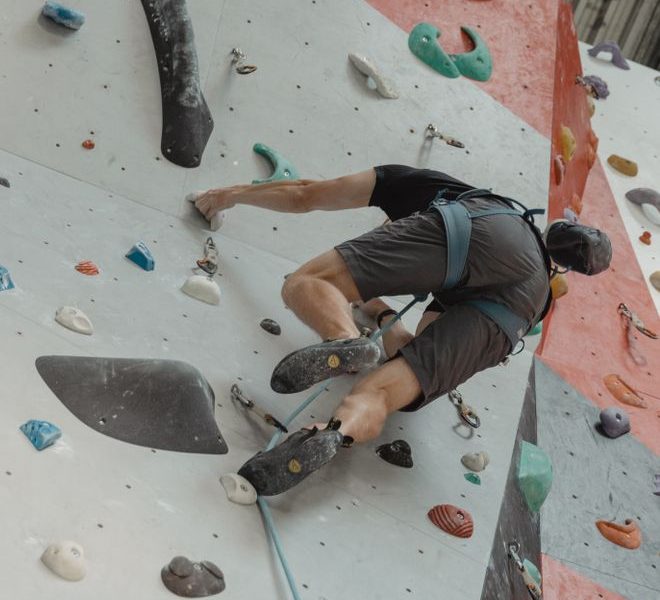
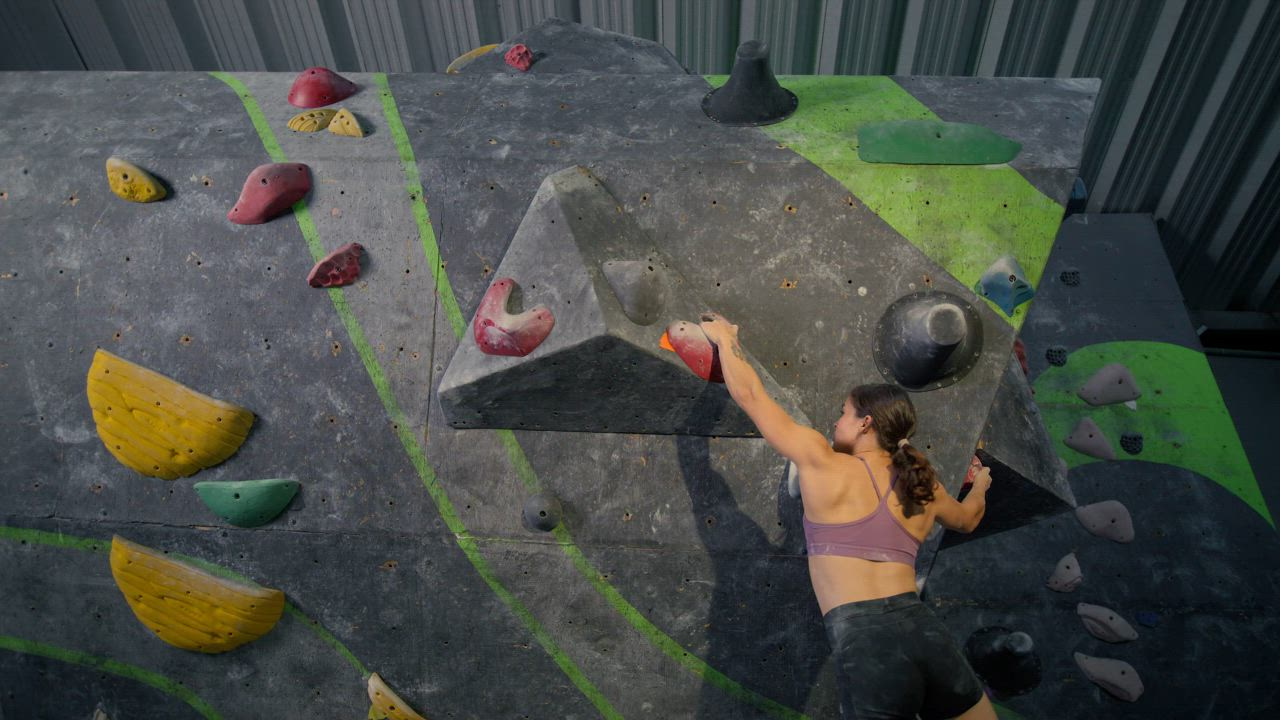
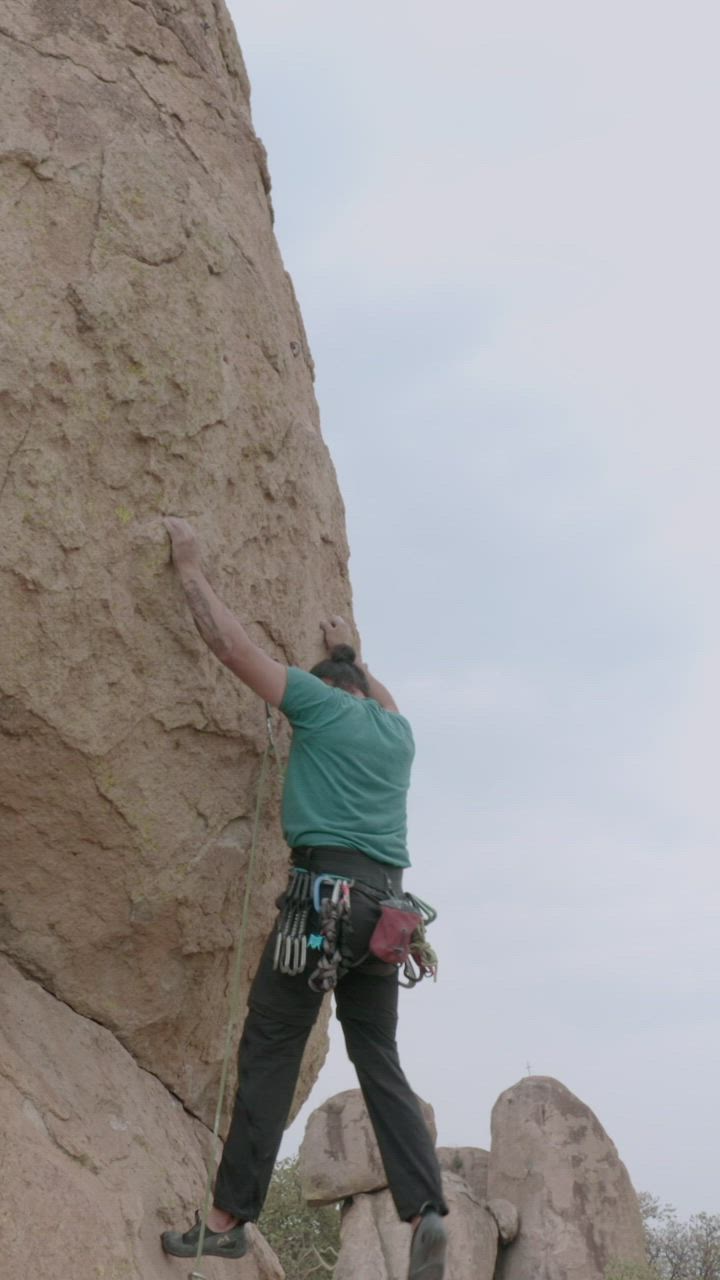
A flat shoe has a straight last and an even sole. Your toes lie almost flat, your weight sits over the whole forefoot, and a stiff sole like the 4.5 mm rubber on our Kante does the work of standing on small edges. On slab and vertical walls, and for long outdoor circuits, flat is not a beginner compromise: it is the precise tool.
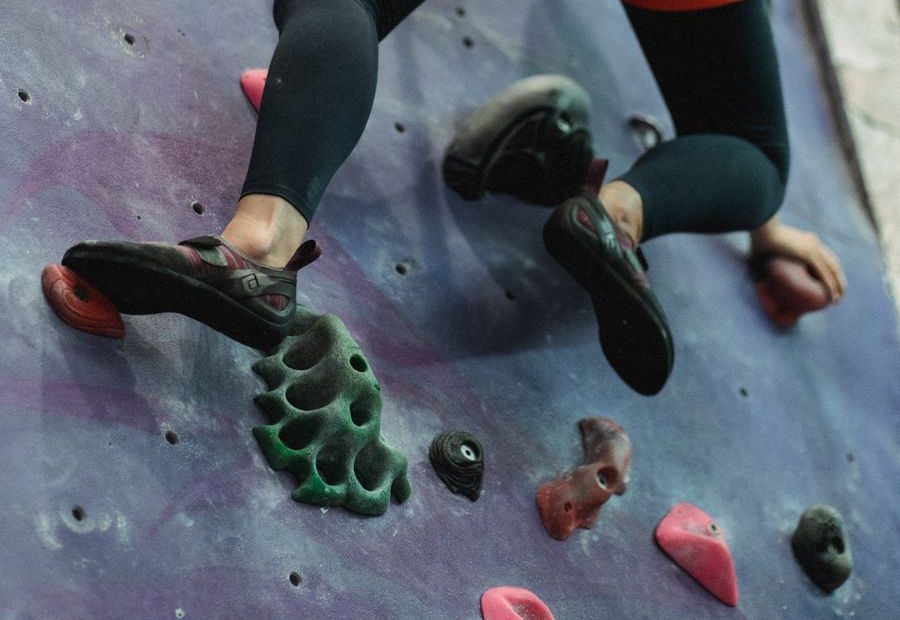
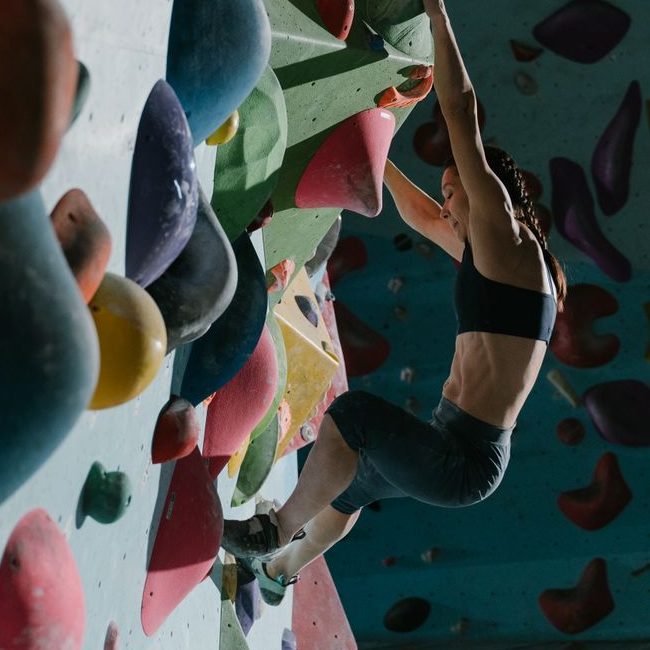
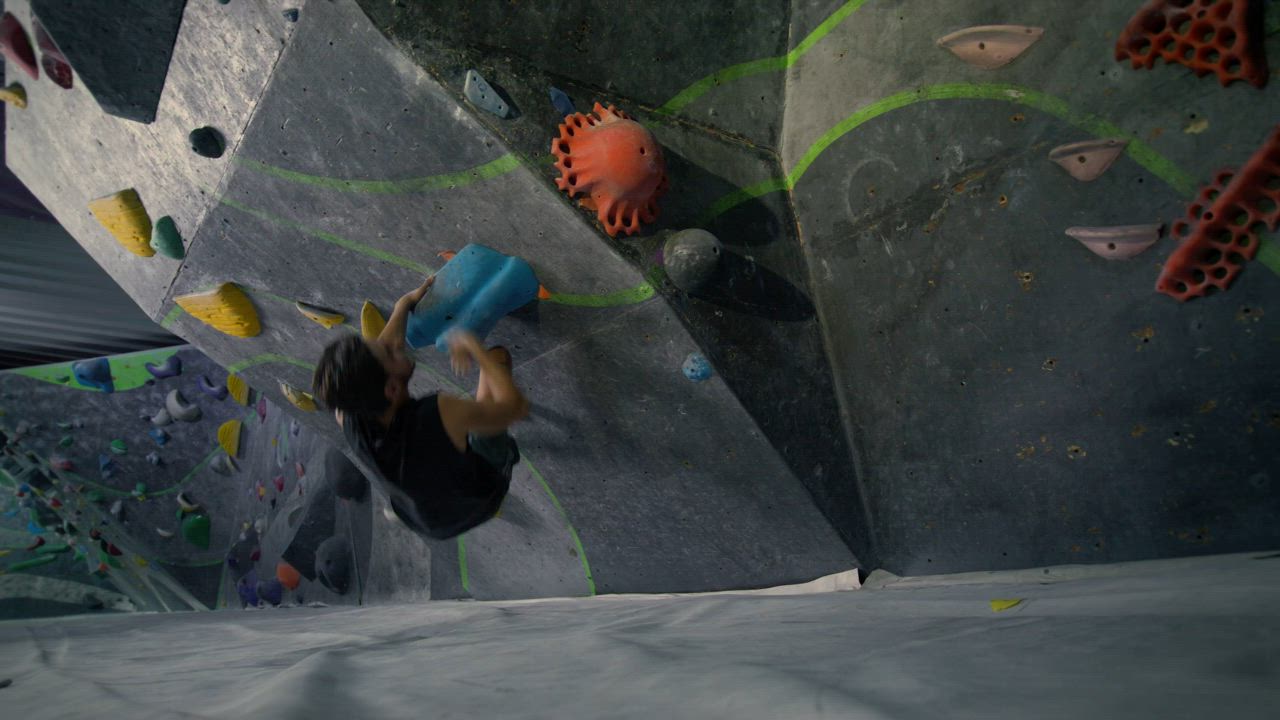
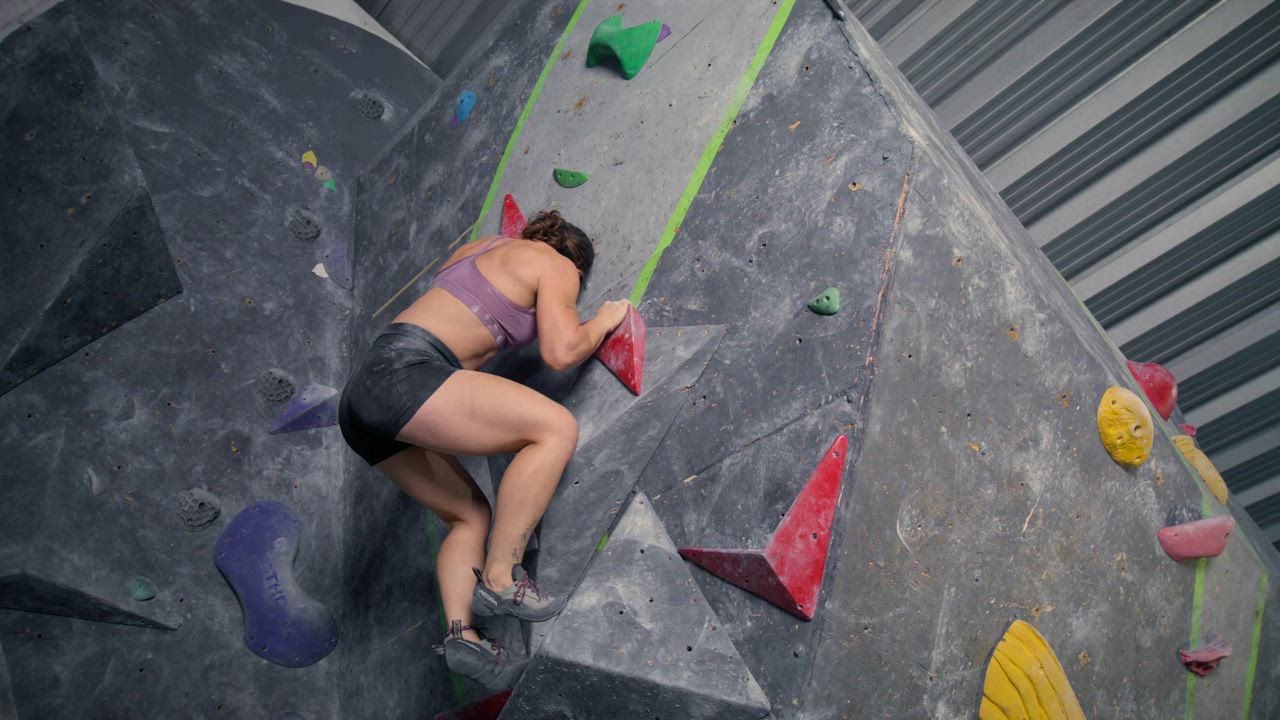
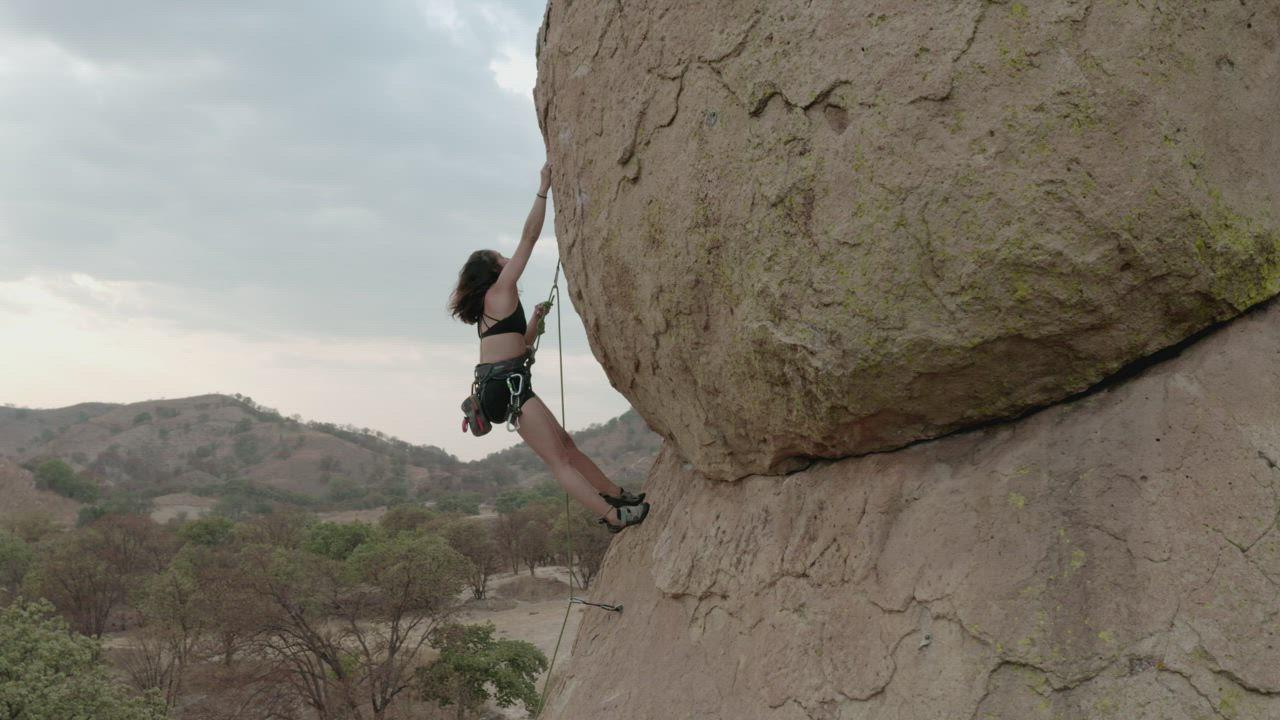
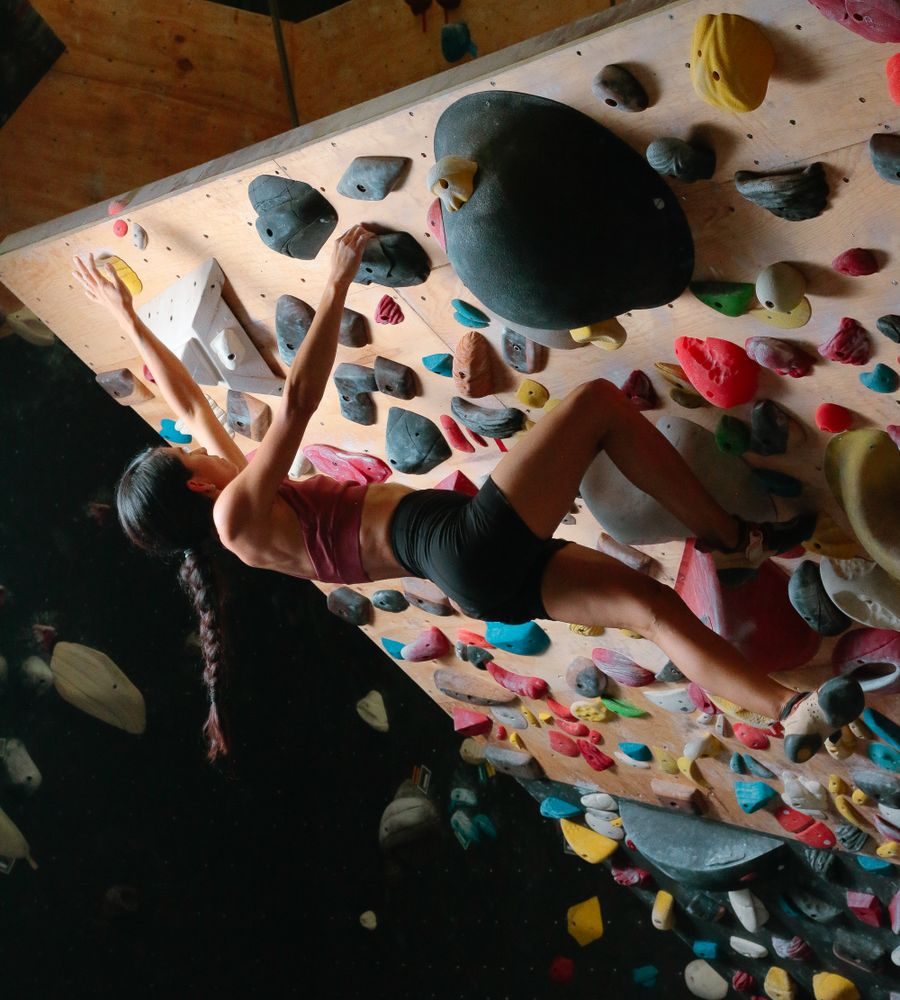
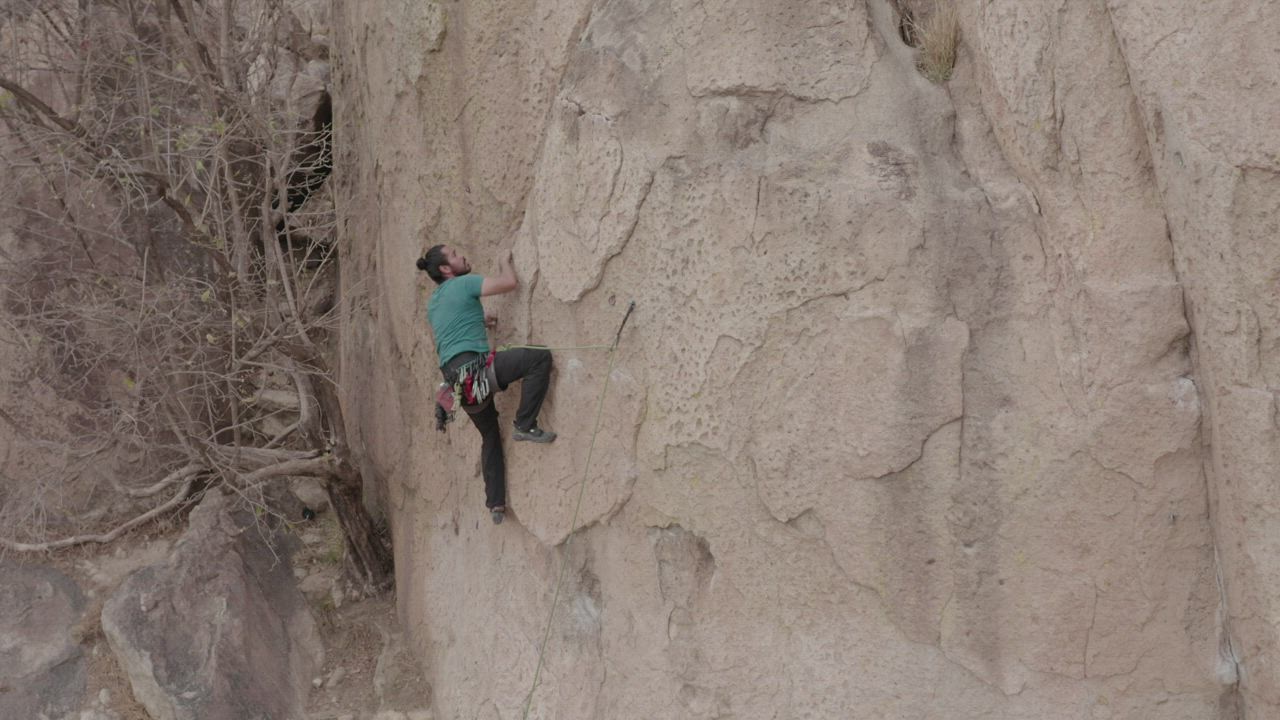
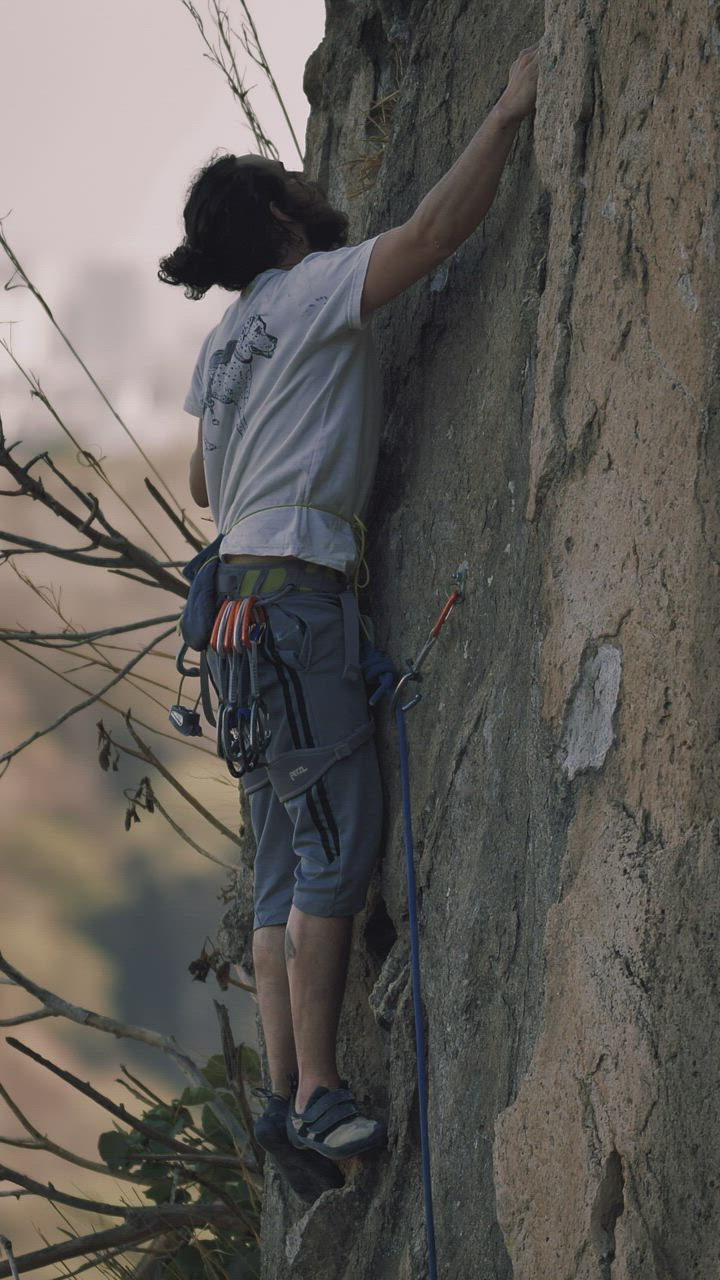
A downturned shoe curves the forefoot down like a claw. On overhangs you are no longer standing on footholds but pulling on them, and that camber lets your big toe hook and grab. An aggressive downturn, the 40° of the Krallen Pro for example, adds a hard-asymmetric toe that focuses all force into one point, plus toe-patch rubber for toe hooks and bicycles. The trade-off: on a slab that curve stops you getting your heel down, and soft soles tire your calves on edges.
Asymmetry matters as much as downturn. If your big toe is your longest (an Egyptian foot), asymmetric shoes fit naturally. With a Greek foot, where the second toe is longest, look for a more symmetric point; with a square Roman foot, a wider toe box.
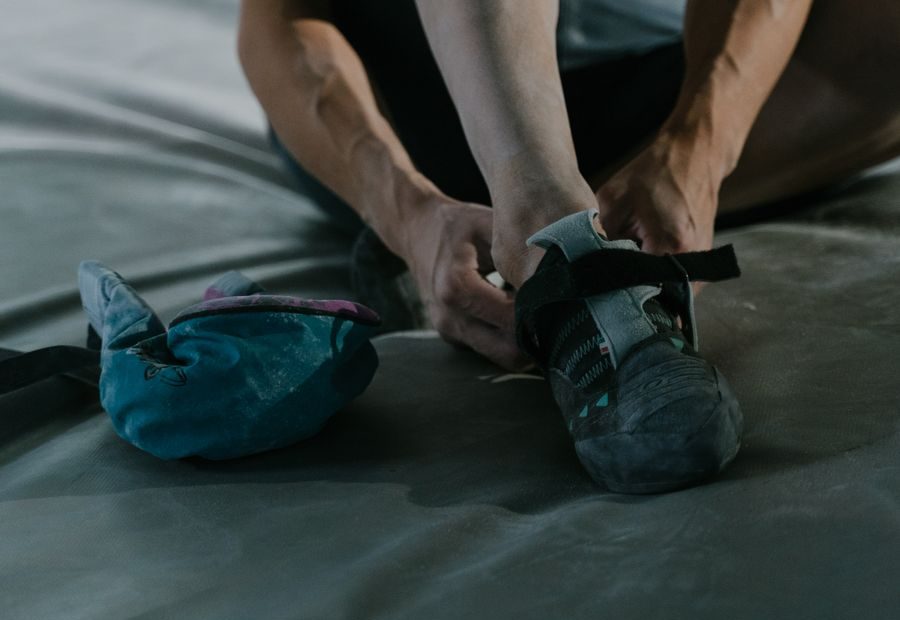
Our advice: buy for the wall you climb most. If you climb in a mixed gym, a moderate downturn like the Mondmilch covers 80% of problems. Use the fit lab to translate your street size, foot shape and favourite angle into a starting size, then come and try it on the test wall in Dresden-Neustadt.